


The world of search is evolving fast, especially with AI-powered models leading the way. But what does this mean for the future of Google organic search? Here’s everything digital marketers need to know about adapting to the new era!
How Will Google Organic Search Be Affected?
AI models like SearchGPT don’t just display search results; they analyze them, providing users with more accurate and contextually relevant answers. Google is also expected to respond by leveraging its own AI solutions to deliver fast and effective results. But what does this shift imply for SEO strategies?
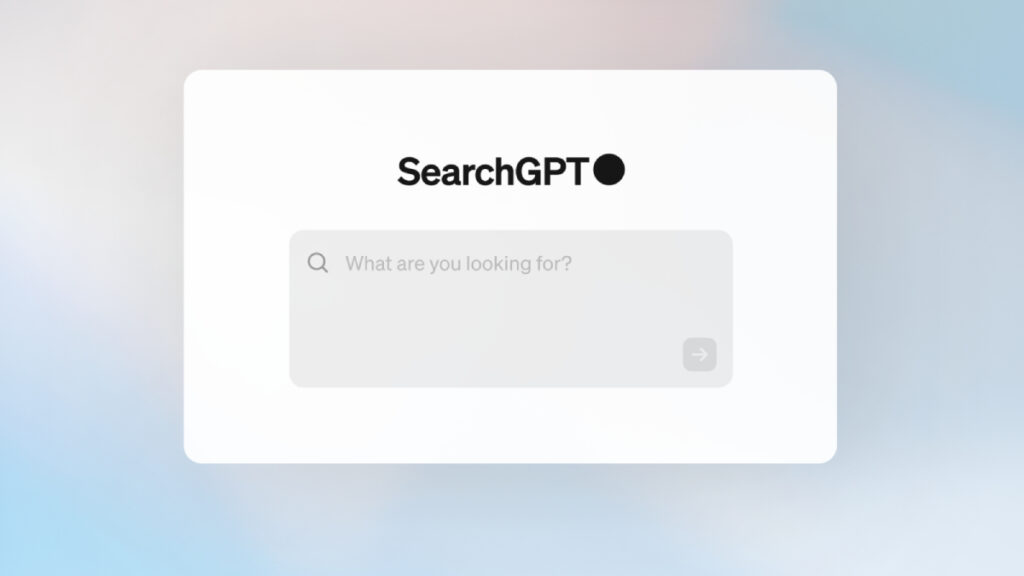
SearchGPT and SEO: Potential Changes in Google Search Results
- Greater Emphasis on Content Quality: AI models evaluate content not just by keywords, but by quality, depth, and user intent. This means that high-quality content creation will become even more critical as Google’s algorithms increasingly incorporate AI insights.
- Strategic Keyword Use: Keyword optimization has traditionally been focused on density and placement. However, AI-driven search now favors more natural language and aligns with user intent. Content should therefore be crafted with a focus on how users think and search.
- Increase in Snippets and Direct Answers: To meet users’ needs for instant answers, Google is likely to promote more snippets and direct answer boxes. This shift will make clearly defined headers and concise, to-the-point answers more valuable for SEO.
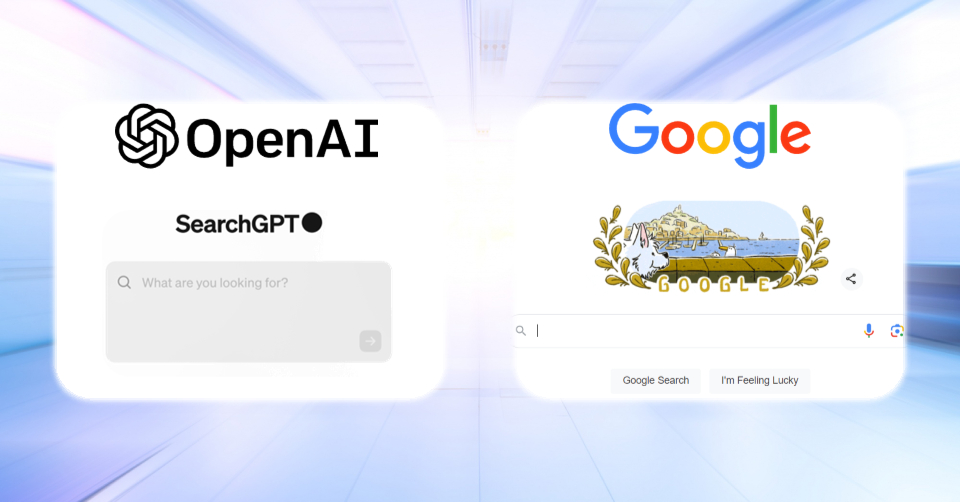
Advantages & Limitations: Balancing Google’s AI-Enhanced Search with Traditional Results
While AI-enhanced searches offer quick answers and valuable insights, they may sometimes overlook in-depth information or fail to capture nuanced questions. Google’s challenge will be finding a balance between AI-driven answers and traditional organic search listings, which will directly impact SEO strategies.
Advice for Digital Marketers: SEO Strategies for AI-Driven Search Models
- Create Impactful Content Structures: Optimize content to provide user-focused, easily accessible answers. Use attention-grabbing headers and highlight essential points with short paragraphs or bullet points.
- Focus on Long-Tail Keywords: AI can handle more specific and complex queries, so incorporating long-tail keywords into your strategy will likely yield better results.
- Produce Content Aligned with User Intent: Understand user intent and create content that addresses their needs directly. Answer their questions succinctly and clearly, increasing your chances of appearing in featured snippets.
Python Code for Analyzing Bing and Google Search Results with AI
To understand the process behind AI-enhanced search, here’s a Python code snippet that fetches search results from both Bing and Google and uses OpenAI’s language model to generate a detailed summary. This approach not only illustrates how AI models operate but also gives a sense of how AI can improve search relevance and accuracy.
import openai
import requests

# Add your API keys here
BING_API_KEY = 'YOUR_BING_API_KEY'
GOOGLE_API_KEY = 'YOUR_GOOGLE_API_KEY'
OPENAI_API_KEY = 'YOUR_OPENAI_API_KEY'

# Set the API key for OpenAI
openai.api_key = OPENAI_API_KEY

def fetch_bing_results(query):
    headers = {"Ocp-Apim-Subscription-Key": BING_API_KEY}
    params = {"q": query, "count": 10}
    response = requests.get("https://api.bing.microsoft.com/v7.0/search", headers=headers, params=params)
    response.raise_for_status()
    return [result['snippet'] for result in response.json().get('webPages', {}).get('value', [])]

def fetch_google_results(query):
    params = {
        "key": GOOGLE_API_KEY,
        "cx": "YOUR_CUSTOM_SEARCH_ENGINE_ID",  # Google Custom Search Engine ID
        "q": query
    }
    response = requests.get("https://www.googleapis.com/customsearch/v1", params=params)
    response.raise_for_status()
    return [item['snippet'] for item in response.json().get('items', [])]

def analyze_results_with_openai(bing_results, google_results):
    combined_results = "\n".join(bing_results + google_results)
    prompt = f"Here are some search results for a query:\n\n{combined_results}\n\nProvide a detailed summary of the most relevant information."

    response = openai.Completion.create(
        engine="text-davinci-003",
        prompt=prompt,
        max_tokens=150,
        temperature=0.5
    )
    return response.choices[0].text.strip()

# Get search query from the user
query = input("Enter your search query: ")

# Fetch Bing and Google results
bing_results = fetch_bing_results(query)
google_results = fetch_google_results(query)

# Analyze and summarize the results
summary = analyze_results_with_openai(bing_results, google_results)
print("\nSummary of Search Results:\n", summary)
This code fetches the top 10 results from Bing and Google, then uses OpenAI’s language model to create a comprehensive summary of the data. By combining search insights from different engines, this process showcases how AI can evaluate and refine information to provide a more contextually relevant answer for users.
AI-Powered Search Models Frequently Asked Questions (FAQ)
How do AI-powered search models impact SEO?
AI-driven models prioritize content quality, user intent, and structure, encouraging SEO strategies that focus on these areas to yield better rankings.
Will Google’s organic search results disappear entirely?
No, Google will continue to value organic search results. However, AI-powered snippets and direct answers are expected to play a larger role in delivering quick answers to users.
How will Google balance AI-powered answers and traditional search results?
Google will likely continue to offer both AI-powered answers for quick information and traditional search results for in-depth content, requiring a balanced SEO approach.
How does AI affect content creation?
AI encourages the production of higher-quality, more user-focused content. Content creators should prioritize informative, intent-driven content to satisfy AI’s criteria for relevance and depth.